
Wow. Okay—so here’s the thing. I used to click through Metamask like everyone else: fast, a little blind, mostly trusting the little popup. Then one morning my gut tightened. Something felt off about signing the same transaction across chains and not knowing the real fees until it was too late. Seriously? That was my first thought. My instinct said there had to be a better way—transaction simulation, clearer gas math, multi-account ergonomics—and yeah, I went digging.
At first I thought: it’s just another UX gimmick. But then I tried a wallet that does pre-execution simulation and better nonce handling, and it changed the way I interact with DeFi. It wasn’t overnight. Actually, wait—let me rephrase that: it didn’t flip a switch, but it steadily removed a layer of anxiety. On one hand I still want control; on the other hand I want smart guardrails that don’t nag me. That’s the sweet spot.
What kept bugging me about old setups
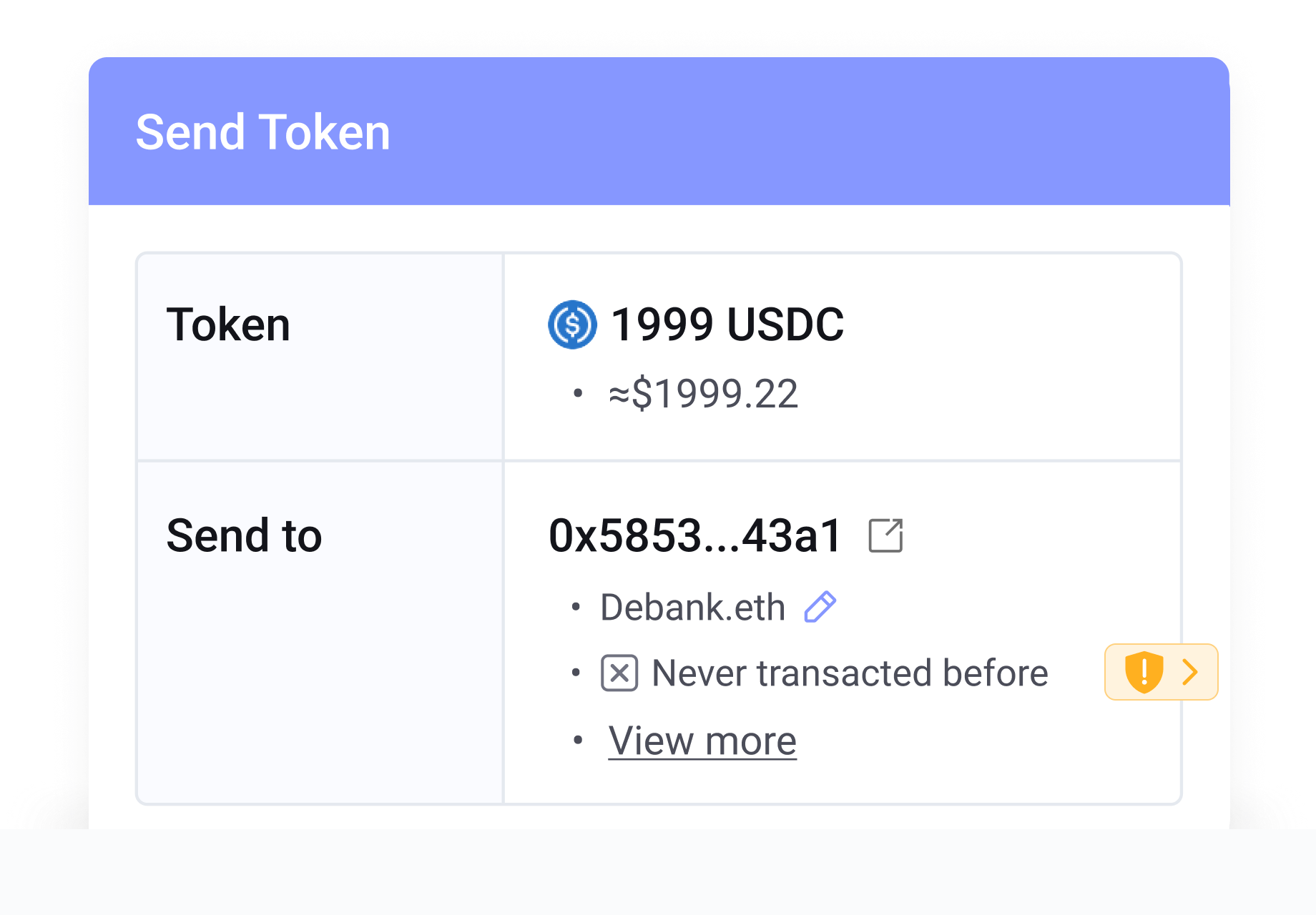
Here’s what bugs me about the classic experience: you get a vague gas estimate, you sign, and then you watch tokens disappear or show up later and you squint at the chain explorer wondering what happened. People who trade, bridge, or route across chains have that pain amplified. I’m biased, but having a wallet that previews the actual chain effects—token changes, failed-call risks, and gas breakdown—feels like basic hygiene in 2026.
My first impression: the tools that automate can also obfuscate. Hmm… that contradiction stuck with me. Initially I thought automation equals safety; though actually, automation without visibility is scary. So I started favoring tools that surface what’s about to happen. That’s where features like transaction simulation and multi-account views come in.
Transaction simulation: why it matters more than you think
Simulations are not just for nerds. They’re for anyone who hates surprise reverts and hidden slippage. A good simulation tells you whether a swap call will revert, how much native token you’ll spend on gas, and whether a contract call will change token balances the way you expect. I remember one time—oh, and by the way—I almost bridged the wrong token because the UI hid a decimal quirk. Simulation showed the mismatch. Saved me a headache and probably a few hundred dollars. Whew.
On a technical level, simulation does a dry-run of the transaction against mempool state, or a forked block state, and reports the outcome before you sign. That includes state changes, internal contract calls, and gas estimation under current conditions. For power users doing ops across chains, that preview is worth its weight in sleep.
Multi-chain without the mental overhead
Managing keys across Layer 1s, L2s, and sidechains becomes a cognitive tax. Wallets that force you to constantly switch networks or hunt for assets create friction. The better approach is a unified UX: show balances across chains, let you build a single session that can sign ops on multiple networks, and provide a safe default for chain selection while keeping power controls accessible.
Initially I thought unified was just consolidation. But it’s deeper: it changes how you reason about holdings. You stop thinking “I have ETH on chain A and tokens on chain B” and instead think “portfolio-level exposure.” That mental shift reduces mistakes when routing or rebalancing. Really—it’s freeing.
Why I linked this to Rabby
Okay, so check this out—after testing a handful of extensions, I kept coming back to the one with clean multi-chain flows and transaction simulation built in. The UX felt deliberate: quick account switching, clear nonce control, and useful safety nudges without being condescending. I ended up using rabby wallet as my daily driver for a lot of on-chain flows because it aligned with how I think about risk versus convenience.
I’ll be honest: no wallet is perfect. I like Rabby for its simulation layer and ergonomics. My instinct says keep backups and hardware integrations in the loop—don’t put all your eggs in a single browser extension. Still, for browser-based DeFi work, it elevated my workflow noticeably.
Real tradeoffs—what to watch for
There are always tradeoffs. Security posture for browser extensions is different from mobile or hardware-first setups. You need to weigh convenience and quick signing (for active trading) against blast-radius: extension compromise can be painful. On one hand, a feature-rich extension reduces context switching; on the other, it concentrates risk. So I use Rabby for most day-to-day interactions but keep a hardware wallet for large, cold holdings. Not perfect, but practical.
Another thing: simulation relies on accurate state snapshots. If the node or forked state is stale, the simulation can lie. That happened to me once when mempool priority changed mid-simulation—double-check during volatile periods. Something felt off that day, and my sense was right.
How I set up my workflow now
Short version: separate buckets. Long version: I maintain a «hot» set for trading and prototyping, and a «cold» reserve for long-term assets. I attach multisig or hardware checks for large transfers. For the hot set, I enable transaction simulation and use a wallet that surfaces gas breakdown, nonce handling, and contract call previews. The friction is low, but my visibility is high.
Practically, that looks like: create named accounts, label them (I do this religiously), enable simulation and protection features, and practice signing flow in a small testnet transaction first. It’s a tiny chore with big upside. Seriously—practice once, avoid a costly mistake later.
FAQ
What is transaction simulation and how accurate is it?
Transaction simulation runs a dry execution of the call against current or forked chain state and returns the expected outcome: whether it succeeds, the gas usage, and state diffs like token balances. Accuracy is good if the node state is fresh and mempool dynamics are stable. In volatile moments or with front-running bots, simulations can diverge—so treat them as highly informative but not absolute guarantees.
Is Rabby wallet safe to use for daily DeFi?
Rabby offers features geared toward safety: transaction previews, better nonce control, and multi-chain ergonomics. That said, it’s still a browser extension, so combine it with best practices: hardware-backed keys for large holdings, frequent software updates, and cautious permission handling. No single tool replaces good operational security.
Can simulation prevent MEV or front-running?
Simulation helps you see whether a transaction will succeed and its expected gas. It doesn’t inherently stop MEV or bots from acting between simulation and inclusion. For MEV-sensitive ops, consider private RPCs, batch relays, or specialized services. Simulation reduces surprises but isn’t a magic bullet against miners or searchers.